

Dissecting the SEBI Circular dated Nov 5
Date Published
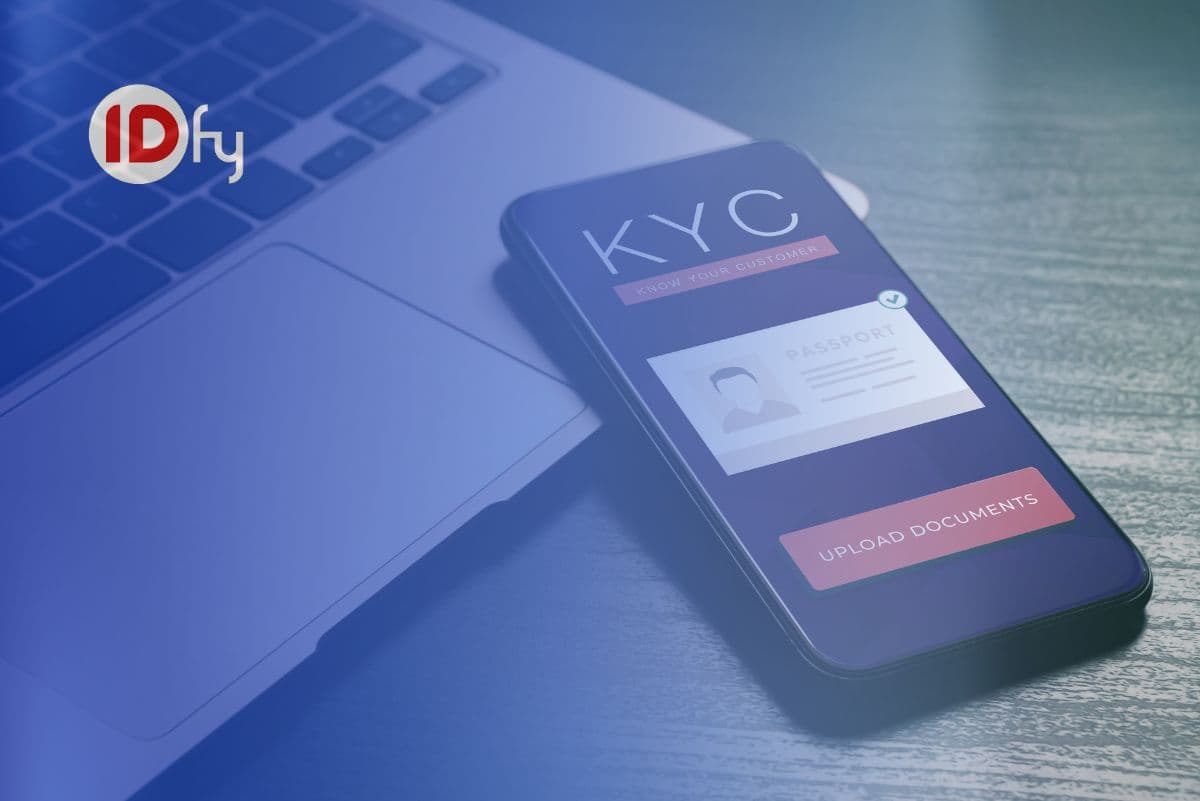
There was some excitement in the industry on November 5, 2019 when SEBI released a circular with eKYC Authentication in its headline.
Is eKYC back? Can we go back to the days of Aadhaar-based authentication? Obvious questions from all concerned.We read the notice with keen attention on the fineprint. We found that it’s not what it seems and its certainly not back to the days of Aadhaar eKYC just yet.Here’s why!1.Point No. 7 in the circular states that regulated entities need to explicitly apply to SEBI to begin eKYC. So, it’s not like entities can start doing eKYC immediately. There are a few more steps to follow, a few more approvals needed before ‘regulated entities’ revert to Aadhaar eKYC days.2. The circular specifies that entities need to register as KUAs or sub KUAs. Both these registrations usually take time.3. While it seems that the doors are being opened for eKYC with OTP, it is not self sufficient. For KYC to be deemed complete, it requires an In-person Verification (IPV), which is commonly performed through Video KYC.4. The industry will still have to bear the reality that eKYC with OTP works only where the phone number is linked with Aadhaar. As we know it, a vast majority does not have their current phone numbers linked with their Aadhaar number. So, Aadhaar eKYC will still cover a small minority of customers.5. Finally, the good ol’ days of inexpensive eKYC are definitely over. It used to cost just Re 1 per eKYC. It will now cost more than Rs 20.
Conclusion
The winds are certainly blowing in favor of ‘eKYC with OTP’. However, that in itself will not relieve the industry from KYC being a bottleneck in their customer onboarding flow.
Alternate Digital KYC processes, including Video KYC, will form the bedrock for KYC in the foreseeable future.
IDfy provides Digital KYC Solutions for Financial Services companies.
For a demo, write to shivani@idfy.com

Just two operational segments in banking contribute to a whopping 95% of all banking frauds. That’s right — Advances and Cards/Internet banking — together account for 95% of all banking frauds. All other operational segments like forex, deposits, cash, cheques, and clearing accounts are tiny problems, in comparison, accounting for less than a percent of total banking frauds.
It had been raining for three straight days in Shillong, and Uday Imtisong was making his third trip between the bank and his house since that morning. Wading through knee-deep water, he wondered if his loan application would be approved anytime soon so that he could add a new wing to his popular gymnasium. He worried about his woefully inadequate credit history and his inability to provide a land bank as collateral for his loan – a common expectation from the lending officer at the bank.

Discover the future of KYC with CERSAI's CKYCRR 2.0: Revolutionizing the Indian financial landscape. Explore how in this blog.

Explore a comprehensive guide on KYC for medium risk customers, covering identification, EDD, ongoing monitoring and best practices.