

Distributor and Retail Partner Verification: Why Retail Needs Faster, Risk-Safe Onboarding in 2026
Date Published
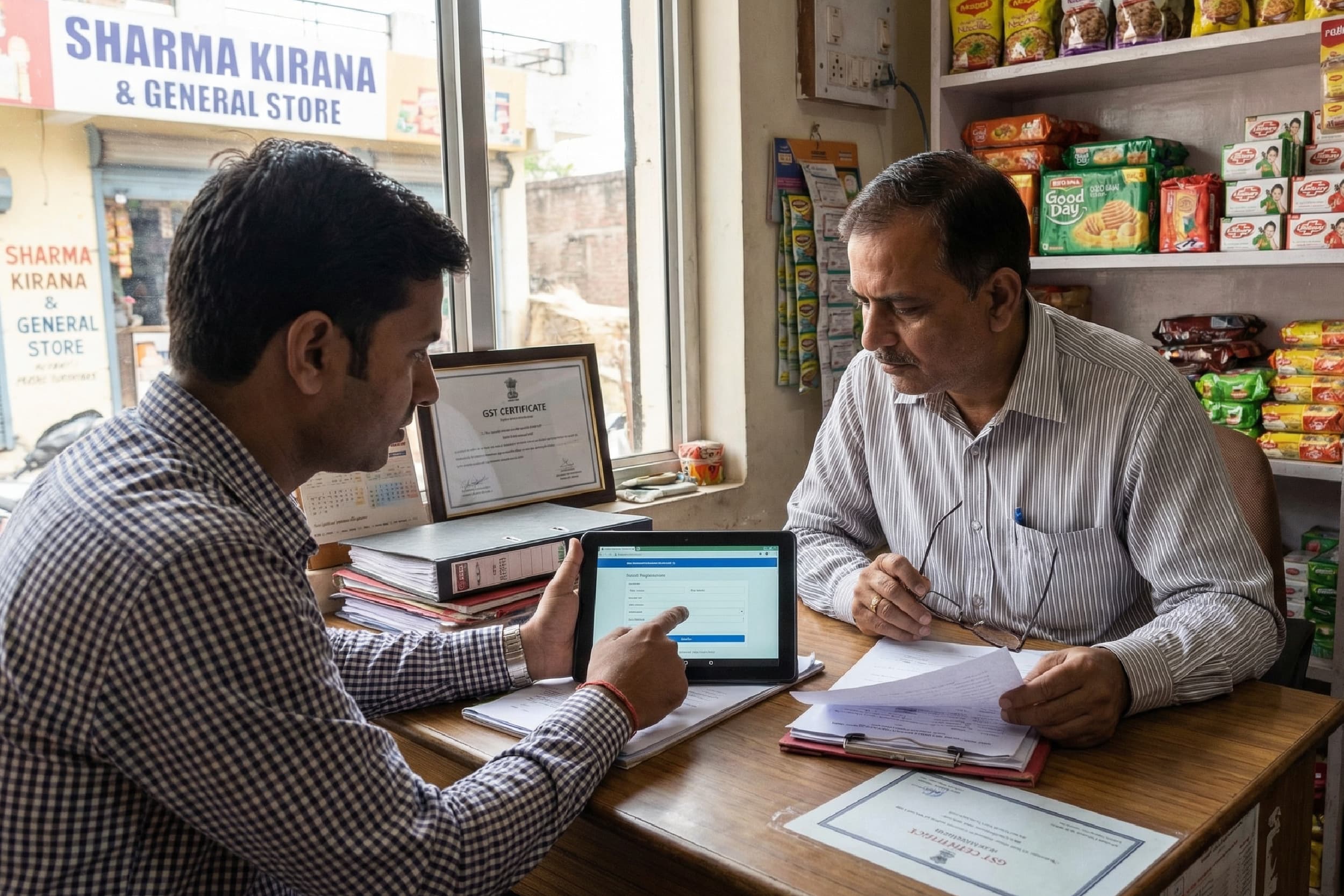
In the fast-moving retail world of 2026, the gap between "signing a deal" and "getting products on shelves" is where businesses either win or lose. As digital commerce expands and regulations like India’s DPDP (Digital Personal Data Protection) Act become the standard, the old ways of verifying partners, manual forms, and email chains are no longer just slow; they are dangerous.
For retail brands, onboarding a new distributor or retail partner is the first line of defense against fraud and the first step toward revenue. This guide explores why faster, risk-intelligent verification is the only way to scale in today's market.
What does distributor and retail partner verification mean?
Distributor and retail partner verification is the formal process of vetting a new business entity before it enters your supply chain. It isn't just a simple ID check. It is a comprehensive deep dive into who a partner is, whether they are legally allowed to operate, and if they pose a financial or reputational risk to your brand.
Think of it as "Business KYC" (Know Your Business). It involves collecting and validating legal documents, tax registrations, ownership details, and financial health records. The goal is to ensure that every partner in your network is legitimate, compliant, and capable of fulfilling their role.
Why is it important?
In 2026, verification is less about paperwork and more about trust and speed. Here is why it is critical:
- Fraud Prevention: Fake distributors and shell companies are common. Verification ensures you aren’t sending goods or payments to a fraudster impersonating a legitimate business.
- Regulatory Compliance: With laws like the DPDP Act and global AML (Anti-Money Laundering) mandates, companies are legally responsible for the partners they work with. Failing to verify can lead to massive fines.
- Speed to Market: In retail, speed-to-shelf is everything. A slow onboarding process means lost sales during seasonal peaks. Automated verification turns weeks of waiting into hours of action.
- Brand Protection: If a partner is involved in unethical practices or data breaches, your brand’s reputation takes the hit. Proper vetting keeps your supply chain clean.
Step-by-step process for distributor onboarding or retail partner verification
Modern onboarding uses a Digital-First approach to move partners through the funnel quickly without skipping safety checks.
- Digital Application & Intake: The partner submits their basic details through a user-friendly digital portal. This replaces messy email threads and physical forms.
- Document Extraction (OCR): AI-powered tools (Optical Character Recognition) instantly read and extract data from uploaded documents like GST certificates, PAN cards, or trade licenses, eliminating manual data entry errors.
- Automated Business Validation: The system cross-references the provided data against government databases (like MCA or GSTN) to confirm the business is active and the details are authentic.
- Identity & Ownership Check: Verification of the "Beneficial Owners" or directors. This ensures the people behind the business aren't on any global sanctions or watchlists.
- Risk Profiling & Financial Assessment: The system analyzes the partner’s creditworthiness and operational history to assign a risk score. High-risk partners may trigger a manual Enhanced Due Diligence (EDD) review.
- Final Approval & Activation: Once cleared, the partner is digitally activated in the ERP or payment system, often receiving their unique ID (like a Merchant ID) immediately.
What happens when distributor and retail partner verification isn’t done properly?
Cutting corners on verification might seem like a way to save time, but the risk minefield is real.
- Financial Loss: You may fall victim to "supplier impersonation," where payments are redirected to fraudulent bank accounts.
- Data Breaches: Unvetted partners often have weak security. A breach at their end can expose your sensitive business data, leading to lawsuits and loss of market value.
- Operational Stalls: If a partner is shut down due to legal issues you missed during onboarding, your entire supply chain stops. Finding a replacement last minute is expensive and difficult.
- Legal Penalties: Regulators don’t accept "we didn't know" as an excuse. If your partner violates trade or data laws, you are often held liable for "lack of due diligence."
The Real-World Problems Behind Distributor and Retailer Onboarding
The failures in distributor onboarding and retailer onboarding do not stem from a lack of intent or effort. They arise from scale, fragmentation, and incentives that were never designed for today’s complexity.
Onboarding Happens Faster Than Risk Can Be Assessed
Sales teams are incentivised to activate distributors and retailers quickly to meet quarterly targets. Risk checks often lag behind activation, creating a window where unverified or partially verified partners transact at full capacity.
In practice, this means credit exposure, counterfeit leakage, or regulatory violations surface only after volume builds. By the time action is taken, the cost of disengagement is materially higher than the cost of prevention.
Distributors and Retailers Operate Through Informal Structures
Many distributors operate through layered ownership structures, proxy directors, or shared operational assets across entities. Traditional distributor onboarding models verify documents but fail to map control, influence, or operational overlap.
Retailer onboarding faces similar issues where store ownership, day-to-day operators, and payment beneficiaries are different individuals. Superficial risk checks miss these mismatches, which later become fraud or compliance risks.
Field Verification Has Become a Weak Link
Retailer onboarding still relies heavily on physical verification by field teams or third-party agents. In reality, field visits are rushed, inconsistently documented, and rarely reviewed beyond a tick-box confirmation.
At scale, this leads to unverifiable outlets, reused photos, or location spoofing. Central teams assume risk checks are complete, while ground truth remains uncertain.
Risk Is Treated as a One-Time Gate
Distributor onboarding is commonly treated as a pass-fail event rather than a lifecycle. Once approved, distributors and retailers are rarely reassessed unless defaults or disputes arise.
This ignores dynamic risk factors such as ownership changes, licence expiry, financial stress, or shifts in operating behaviour. Without continuous risk checks, organisations remain exposed to slow-moving but high-impact failures.
Best practices of smart distributor and retailer onboarding
Market leaders have moved beyond incremental fixes and re-architected how distributor onboarding and retailer onboarding are designed. Their focus is on embedding risk intelligence directly into growth operations.
Separating Commercial Activation from Risk Clearance
Leading organisations decouple sales activation from full operational privileges. Distributors and retailers are allowed limited activity until defined risk checks are completed and validated.
This phased onboarding model preserves speed while preventing full exposure. It also aligns sales incentives with long-term partner quality rather than short-term activation numbers.
Mapping Control and Beneficial Ownership Early
Advanced onboarding frameworks go beyond document verification to map who actually controls the business. This includes identifying shared directors, common addresses, payment beneficiaries, and operational overlaps.
By doing this early in distributor onboarding, organisations prevent concentration risk and detect hidden dependencies. Retailer onboarding similarly benefits from clarity on who owns, operates, and profits from each outlet.
Digitising and Auditing Field Verification
Leaders have restructured field verification using mobile-first, rule-based workflows. Geo-tagged submissions, time-bound tasks, and mandatory evidence standards bring discipline to physical checks.
This transforms retailer onboarding from subjective confirmation to auditable risk checks. Central teams gain visibility into how verification was performed, not just whether it was marked complete.
Embedding Continuous Monitoring Into Partner Management
Best practices now treat onboarding as the start of a risk relationship, not the end. Automated alerts for licence changes, identity updates, abnormal transaction behaviour, or inactivity trigger re-evaluation.
This approach allows distributor onboarding decisions to remain valid over time. Risk checks evolve with the partner, rather than freezing at the moment of approval.
How onboarding technology platforms like IDfy enable smarter FMCG onboarding
Onboard Faster Without Compromising Risk Checks
Modern technology platforms such as IDfy enable distributors and retailers to move at business speed by automating KYB, KYC, and document verification within minutes. AI-powered validation helps detect ghost or duplicate outlets early, ensuring risk checks are embedded at entry rather than deferred until after activation.
Profile Smarter to Improve Network Quality
In the same way as we enable this for merchants, advanced data intelligence enriches distributor onboarding by combining sales data with image, geo, and outlet-level insights. This allows organisations to distinguish authentic retailers from low-quality or inactive outlets, while strengthening risk checks through real-time visibility into market presence and channel behaviour.
Trust Partners Through Continuous Due Diligence
Leading platforms support deeper due diligence across distributors, retailers, and suppliers using both financial and non-financial assessments. Enhanced due diligence, such as ongoing risk checks, including alerts on compliance gaps, regulatory red flags, and adverse records linked to entities or directors, ensures that trust is maintained beyond initial onboarding.
Secure Frontlines to Protect Channel Integrity
Distributor onboarding and retailer onboarding increasingly extend to the people operating the channel, not just the entities themselves. Platforms such as IDfy enable AI-driven identity and background checks for sales representatives, promoters, and third-party staff, ensuring that frontline execution remains compliant and aligned with brand standards through robust risk checks.
Conclusion
In 2026, distributor onboarding and retailer onboarding sit at the intersection of growth, risk, and trust. Organisations that continue to treat onboarding as a documentation exercise will face compounding exposure as scale increases.
Those that redesign onboarding around intelligent, continuous risk checks will grow faster with fewer reversals. For teams evaluating how to modernise their onboarding frameworks without slowing the business, reaching out to shivani@idfy.com is a practical next step to explore what this transformation looks like in real operating environments.
FAQs
- How long should partner onboarding take in 2026?
With automation, basic verification should take minutes to hours. Complex enterprise cases may take 1-2 days, down from the traditional 2-3 weeks. - Does digital onboarding replace human judgment?
No. It automates the obvious checks (like document validity) so that human experts can focus their time on high-risk cases that require a nuanced decision. - What is the most common risk in retail onboarding?
Identity fraud and document tampering. Fraudsters often use high-quality forgeries of tax or registration documents to gain access to credit or inventory.

Customer onboarding has become a key idea in the quickly changing business and technological world. Today, we find ourselves in the midst of a digital revolution that is transforming the way businesses welcome and integrate new consumers.

Introduction: Setting the Stage for Efficiency Welcome to the world of vendor onboarding, a crucial yet often overlooked aspect of modern business operations. Imagine you’re the captain of a ship about to embark on a long and perilous journey. Before you even set sail, you must ensure that your crew is well-prepared, your supplies are ... Read more

Explore the top merchant verification companies in Mumbai, their vital role in mitigating risks, ensuring compliance, and building trust, and how they streamline the onboarding process for secure business partnerships.