

Supreme Court’s Aadhaar verdict and what it means for private companies
Date Published
Here’s what the Supreme Court’s Aadhaar Verdict means for Private companies.
Organizations that embrace technology and upgrade their authentication processes will survive and prosper in the long run. Large parts of the onboarding processes can be automated while catching more fraud than before.
The Supreme Court has slammed the gavel down on Aadhaar with respect to its use by private enterprises. Private companies cannot use Aadhaar data to run KYC verifications on individuals. The SC says it could abet the creation of a surveillance state and infringe on citizens’ privacy.
Fair point.
But, what now of companies that have depended on Aadhaar for eKYC? Fintechs, for example. How can they now be expected to meet Government norms and still keep their verification costs low enough to remain in business?
There’s a chance that the government may bring in new legislation to allow Aadhaar-based authentication by certain private enterprises for specific purposes, the Fintech industry included. However, this too may be challenged in court putting this matter in limbo.
Whichever way the wind blows, it’s clear that matters around Aadhaar eKYC will remain unclear in the near to medium term. During this time KYC norms need to continue to be met.
Supreme Court’s Aadhaar verdict: The way forward?
Turn to basics
Earlier KYC directives provide us with the basic principles that underlie KYC. It’s important to understand them. Enterprises can create and follow their own procedures for KYC based on the nature of their business, while in-principle meeting government mandates.
Turn to technology
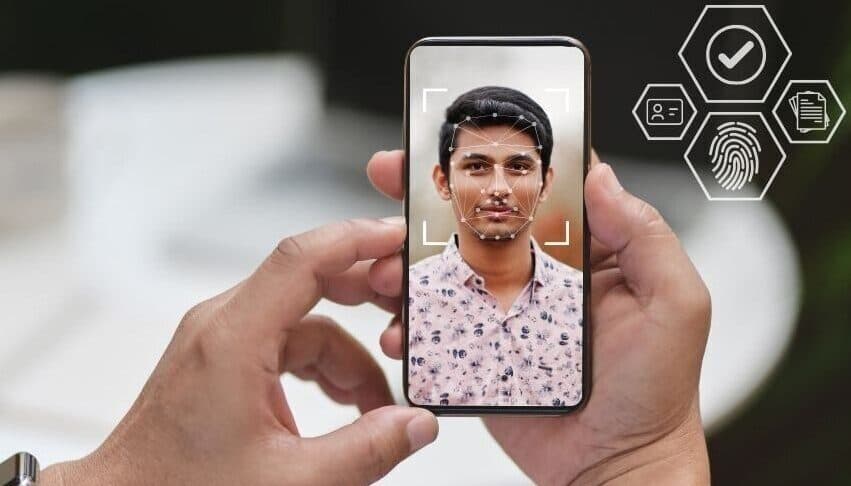
It’s obvious that regulators will continue to require certified OVDs (Officially Valid Documents) like ID proof and address proof. They will also need a recent photograph of the individual.
There’s enough data available on public sources on individuals. And all the technology to be able to reference and cross-reference them to verify them.
Organizations that embrace technology and upgrade their authentication processes will survive and prosper in the long run. Large parts of the onboarding processes can be automated while catching more fraud than before.

Just two operational segments in banking contribute to a whopping 95% of all banking frauds. That’s right — Advances and Cards/Internet banking — together account for 95% of all banking frauds. All other operational segments like forex, deposits, cash, cheques, and clearing accounts are tiny problems, in comparison, accounting for less than a percent of total banking frauds.
It had been raining for three straight days in Shillong, and Uday Imtisong was making his third trip between the bank and his house since that morning. Wading through knee-deep water, he wondered if his loan application would be approved anytime soon so that he could add a new wing to his popular gymnasium. He worried about his woefully inadequate credit history and his inability to provide a land bank as collateral for his loan – a common expectation from the lending officer at the bank.

Discover the future of KYC with CERSAI's CKYCRR 2.0: Revolutionizing the Indian financial landscape. Explore how in this blog.

Explore a comprehensive guide on KYC for medium risk customers, covering identification, EDD, ongoing monitoring and best practices.