
The Significance of Reliable AML Checks for Business Compliance
Date Published

In today’s interconnected world, financial crimes pose a significant threat to businesses and society at large. Money laundering, in particular, has emerged as a global concern, demanding stringent regulations and robust safeguards. To protect themselves and their stakeholders, businesses must prioritize Anti-Money Laundering (AML) compliance. By implementing reliable AML checks, organizations can detect and prevent illicit financial activities. In this blog post, we’ll explore why businesses need dependable AML checks and how IDfy, a leading provider in the industry, conducts these checks with precision and efficiency.
The Growing Need for AML Compliance
As financial systems become increasingly complex, criminals continually seek innovative ways to exploit them. Money laundering, the process of making illegally-gained proceeds appear legitimate, poses a severe threat to the integrity of global financial systems. Businesses, regardless of their size or industry, need to understand the consequences of non-compliance and the need for robust AML checks.
To begin, AML compliance helps businesses uphold ethical standards, maintain their reputation, and safeguard their customers’ trust. Additionally, regulatory bodies worldwide are intensifying their efforts to combat money laundering. Non-compliance can result in severe penalties, legal ramifications, and reputational damage. Therefore, businesses must prioritize implementing reliable AML checks to mitigate risks effectively.
The Dangers of Money Laundering
Money laundering fuels various criminal activities, including drug trafficking, human trafficking, terrorism financing, and organized crime. By disguising the origins of illicit funds, criminals can infiltrate legitimate businesses, distort economic systems, and destabilize entire nations. The consequences of money laundering reach far beyond financial losses; they have grave social, political, and security implications.
AML Checks: Safeguarding Businesses and Society
Reliable AML checks act as the first line of defense against money laundering risks. These checks enable businesses to identify suspicious activities, assess customer risk, and report potential money laundering incidents to the appropriate authorities. By implementing robust AML checks, businesses can safeguard their operations, protect their reputation, and contribute to the broader fight against financial crimes.
IDfy’s Approach to AML Checks
IDfy, a trusted provider in the AML compliance industry, employs cutting-edge technology and industry best practices to conduct reliable AML checks. Leveraging advanced artificial intelligence (AI) and machine learning algorithms, IDfy automates the process of verifying customer identities, monitoring transactions, and detecting red flags.
IDfy’s AML checks involve a comprehensive range of measures, including customer due diligence (CDD), transaction monitoring, and risk assessment. By analyzing vast datasets and utilizing real-time data sources, IDfy ensures that businesses have access to accurate and up-to-date information, enabling them to make informed decisions regarding customer onboarding, ongoing monitoring, and risk management.
Automation and Efficiency in AML Checks
Traditional methods of conducting AML checks involved labor-intensive and time-consuming manual processes. However, IDfy revolutionizes AML compliance by leveraging automation to enhance efficiency and accuracy. Through intelligent data extraction, document verification, and risk scoring algorithms, IDfy streamlines AML checks, enabling businesses to perform due diligence swiftly and effectively.
Risk-Based Approach to AML Checks
IDfy adopts a risk-based approach to AML checks, recognizing that not all customers pose the same

Fraudsters are slipping through the cracks in the banking system. This is because banks are playing catch up to the fraudster’s playbook instead of one-upping them. There is, of course, light at the end of this fraud tunnel for banks. It involves working smarter rather than harder.
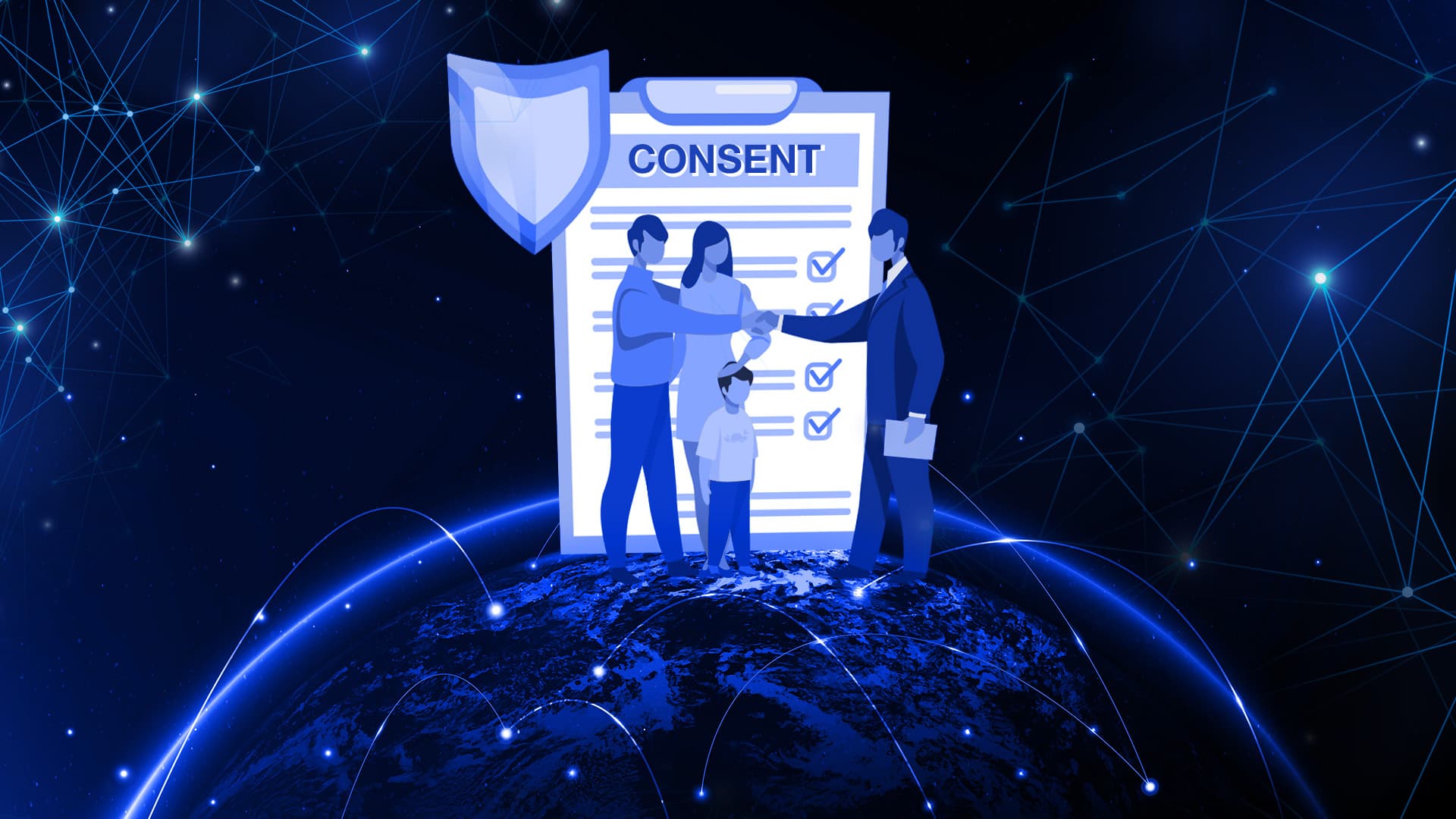
The DPDPA states that data fiduciaries must obtain ‘verifiable parental consent’ from the parent before processing children's personal data.

Just two operational segments in banking contribute to a whopping 95% of all banking frauds. That’s right — Advances and Cards/Internet banking — together account for 95% of all banking frauds. All other operational segments like forex, deposits, cash, cheques, and clearing accounts are tiny problems, in comparison, accounting for less than a percent of total banking frauds.

Who is a Data Protection Officer (DPO)? What are their responsibilities under the DPDP Act? Read a blog to learn more!