

Tumhara intezar toh 11 mulkon ki police kar rahi hai!
Date Published

Imagine getting a call from the Crime Branch of your city’s police department to let you know that you are being investigated for laundering 20 million dollars!
That’s what Shalini experienced on a fateful Saturday morning.
It all started harmlessly as she sat brunching with her friends in downtown Bengaluru. She received a call from FedEx Bengaluru (Truecaller identified so) that was made by a ‘FedEx representative’.
After confirming her Aadhaar number with her, the representative told Shalini that a package containing ‘5 credit cards, 4 passports and 200 gms of MDMA’ had been traced to her.
Before she could react, the call was transferred to the Bengaluru Crime Branch where an ‘officer’ told Shalini that her Aadhaar number had been tracked to a money-laundering ring. Shalini was beyond taken aback, as she started figuring out how she can get out of this mess she had no idea of.
The ‘officer’, sensing Shalini’s distress, requested her to come on a Skype call so they could chalk out the next steps. On the call, the ‘officer’ correctly described Shalini’s last financial transactions – account numbers, transaction amounts, places of transactions etc.
He asked Shalini to transfer small amounts of money to the ‘Crime Branch central bank account’ from each of her bank accounts. This would be done so the Crime Branch can start investigating the transactions to and from all the accounts.
Oh, he also asked Shalini to switch off and restart her phone.
By now Shalini, reinforced by strong cups of coffee and brunch-mates, started smelling a scam. She disconnected the call without parting with any of her account numbers and did not restart her phone.
Lo and behold!
Her phone started rebooting itself and receiving OTPs for ALL her bank accounts!
By now Shalini was sure she was in the middle of an elaborate scam and blocked all her bank accounts.
She then decided to get in touch with her telecom provider, to get to the root of the issue.
What she found out was fascinating:
- Her SIM was cloned multiple times
- A SIM can be cloned only if someone knows the IMEI – supposedly the ‘officer’ figured out Shalini’s IMEI over the Skype call
- The cloned SIMs were being used to access all her bank accounts, and the scammers were sending OTP requests
Fortunately, Shalini had the good sense to block her bank accounts so she did not lose any money. She also changed her phone and SIM card to sterilize herself completely.
Now, whenever she receives OTP requests, she’s reminded of the close call she had with being scammed.

Fraudsters are slipping through the cracks in the banking system. This is because banks are playing catch up to the fraudster’s playbook instead of one-upping them. There is, of course, light at the end of this fraud tunnel for banks. It involves working smarter rather than harder.
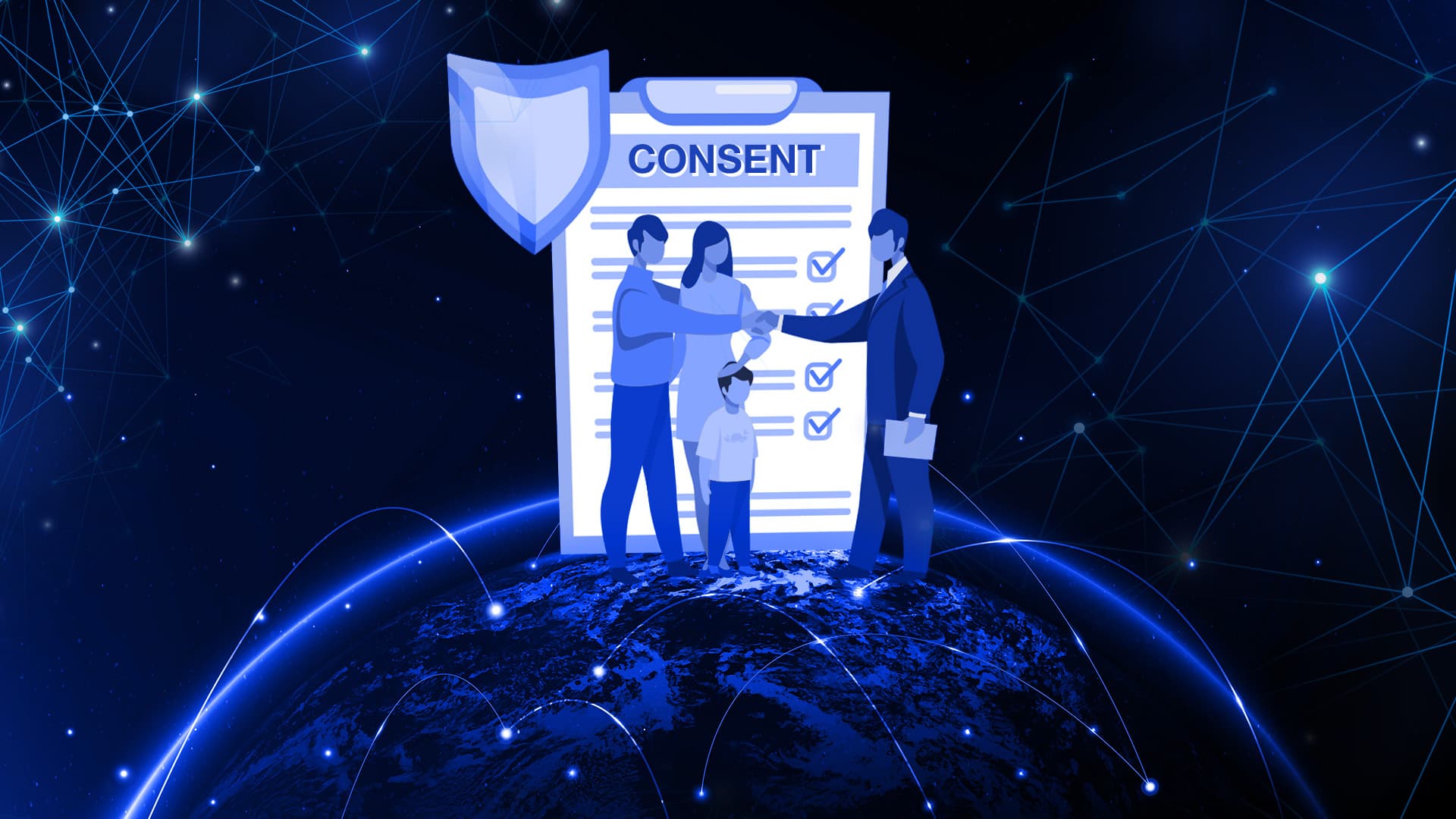
The DPDPA states that data fiduciaries must obtain ‘verifiable parental consent’ from the parent before processing children's personal data.

Just two operational segments in banking contribute to a whopping 95% of all banking frauds. That’s right — Advances and Cards/Internet banking — together account for 95% of all banking frauds. All other operational segments like forex, deposits, cash, cheques, and clearing accounts are tiny problems, in comparison, accounting for less than a percent of total banking frauds.

Who is a Data Protection Officer (DPO)? What are their responsibilities under the DPDP Act? Read a blog to learn more!