

Why the UIDAI’s Aadhaar QR code based authentication will not work
Date Published
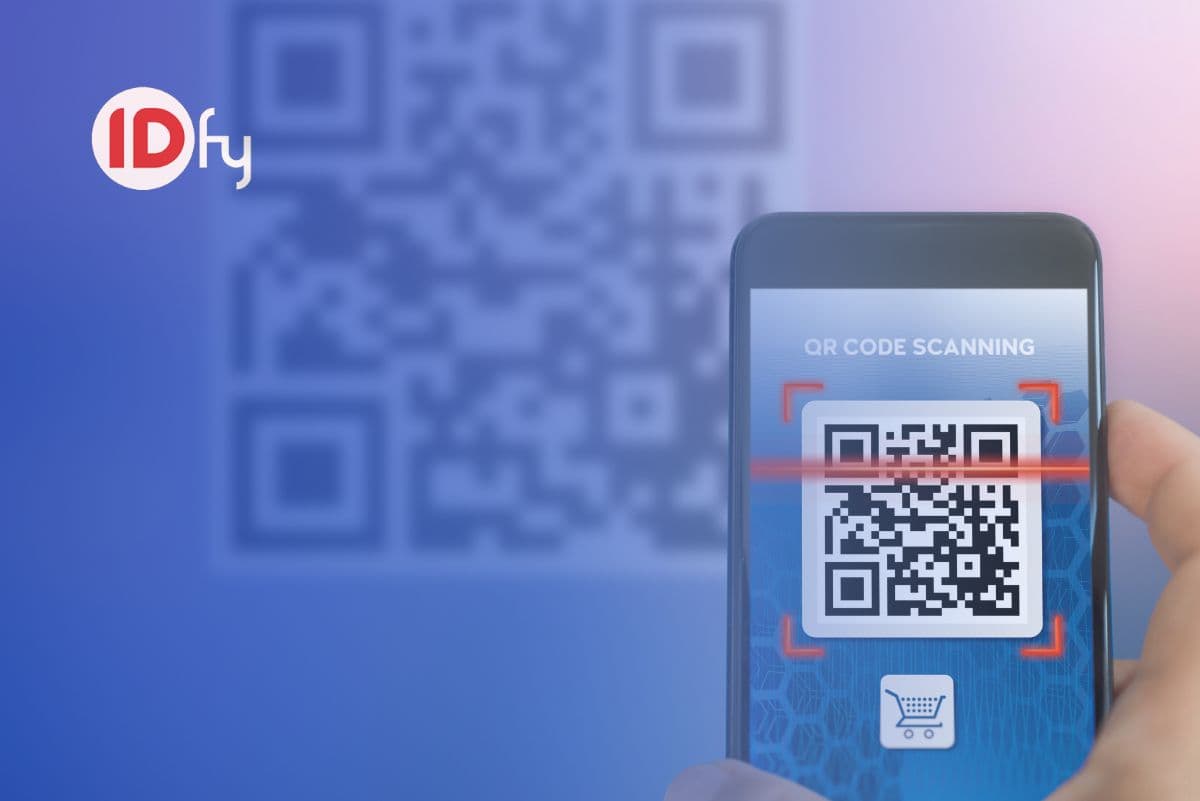
With Aadhaar-data unavailable to fintech, banks, insurers, telcos, and other private enterprises after the recent Supreme Court ruling, the UIDAI has hinted that Aadhaar QR Code and offline Aadhaar KYC may be considered. A circular from the UIDAI is supposed to have encouraged banks to develop web and mobile applications that can leverage QR codes printed on Aadhaar copies for the purpose of doing KYC.
Our Chief Business Officer Wriju Ray highlights on-ground realities due to which Aadhaar QR Code-based Authentication will not work.
- Wriju Ray, CBO, IDfy1. While eKYC had a special status in the KYC Master Directions, the offline mechanism is merely a way to present the Aadhaar card and read it using the QR code as a way to validate it. There is no way to even verify it against the Aadhaar database.
- The QR code in most Aadhaar cards cannot be read. This is because most Aadhaar cards are laminated and cropped to fit the wallet .
- Older cards do not have a QR code. It is estimated that only between 30% to 50% of Aadhaar QR codes can be read
- The mechanism to download one’s machine-readable Aadhaar from the UIDAI website requires an OTP. However, only 30% of cardholders have a phone number linked to their Aadhaar. So 70% of people will be left out.
- Given how cumbersome the process is, drop-offs are likely to be high.
‘Is it back to the dark ages of paper KYCs?’
“All eKYC authentication is stopped now, we are trying to develop our own means of getting KYC done with physical documents by using technology so that cost can be reduced,” said a top executive of a payment company on condition of anonymity in an article in the Economic Times
Fortunately, technology solutions for efficient and accurate Digital KYCs are available.
Wriju Ray is Chief Business Officer at IDfy.

Just two operational segments in banking contribute to a whopping 95% of all banking frauds. That’s right — Advances and Cards/Internet banking — together account for 95% of all banking frauds. All other operational segments like forex, deposits, cash, cheques, and clearing accounts are tiny problems, in comparison, accounting for less than a percent of total banking frauds.
It had been raining for three straight days in Shillong, and Uday Imtisong was making his third trip between the bank and his house since that morning. Wading through knee-deep water, he wondered if his loan application would be approved anytime soon so that he could add a new wing to his popular gymnasium. He worried about his woefully inadequate credit history and his inability to provide a land bank as collateral for his loan – a common expectation from the lending officer at the bank.

Discover the future of KYC with CERSAI's CKYCRR 2.0: Revolutionizing the Indian financial landscape. Explore how in this blog.
Explore a comprehensive guide on KYC for medium risk customers, covering identification, EDD, ongoing monitoring and best practices.